Balham High Road oven cleaning guide for landlords
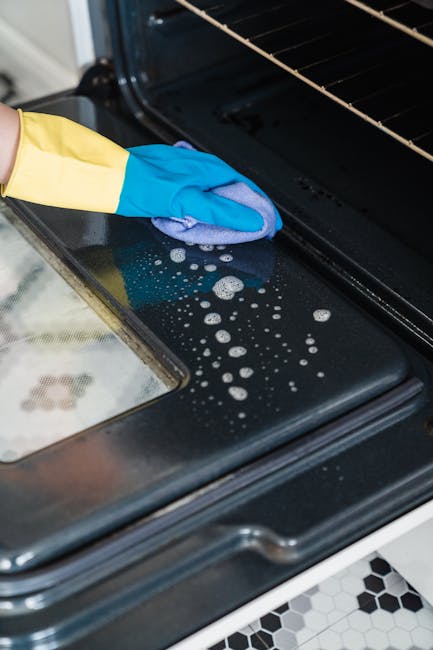
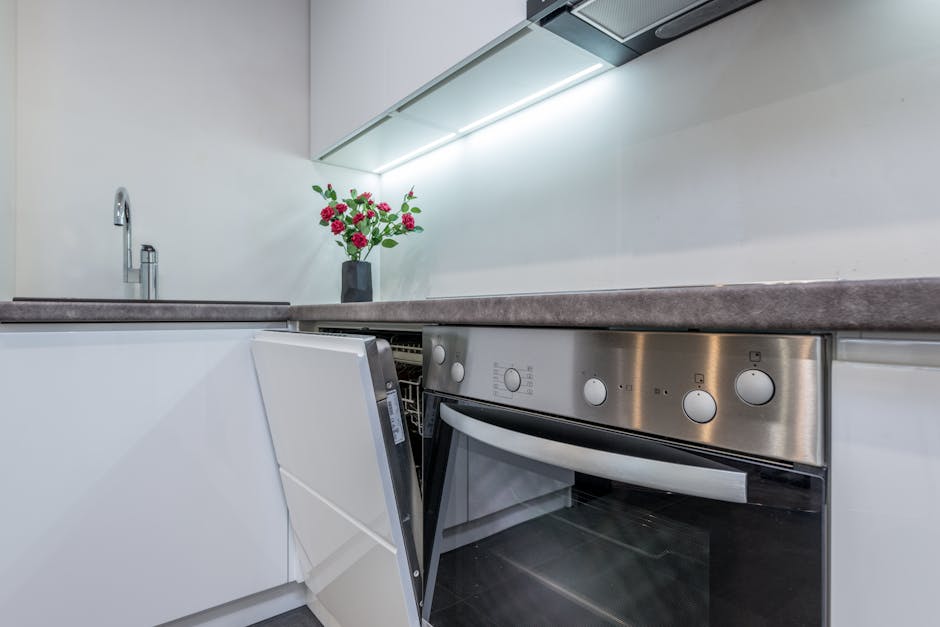
If you rent property near Balham High Road, oven cleaning probably sits somewhere between "small job" and "oddly annoying headache". But for landlords, it matters more than it first looks. A dirty oven can slow down a tenancy handover, trigger complaints, and make an otherwise solid end-of-tenancy clean feel unfinished. This Balham High Road oven cleaning guide for landlords walks you through what to expect, how to approach the work sensibly, and when it makes more sense to bring in a professional oven cleaner rather than gamble with burnt-on grease and a tight checkout deadline.
Whether you manage one flat or several properties, the aim is the same: a safe, presentable oven that looks cared for and helps the next tenant walk into a properly cleaned kitchen. Let's make that easier.
Why Balham High Road oven cleaning guide for landlords Matters
For landlords, oven condition is rarely just about appearance. It affects the overall impression of the property, the speed of turnaround between tenancies, and sometimes the mood of a checkout inspection. A greasy oven tells a story, and not always a flattering one. Even if the rest of the kitchen is spotless, an oven with baked-on residue can make tenants feel the property has been left half-finished.
In practical terms, oven cleaning matters because it sits right at the point where hygiene, presentation, and maintenance overlap. A clean oven is easier to inspect, easier to photograph for records, and easier to maintain over time. And in a busy rental cycle, that can save hassle. Truth be told, the oven is one of those things people notice the second they open the door.
On Balham High Road and the surrounding streets, many landlords are juggling fast changeovers, managing shared kitchens, or preparing furnished lets. In those situations, oven cleaning becomes part of a wider reset, similar to end of tenancy cleaning or a broader deep cleaning visit. It is not glamorous. But it is one of those details that helps a property feel genuinely looked after.
How Balham High Road oven cleaning guide for landlords Works
A proper oven clean is more than wiping the tray and hoping for the best. The process usually starts with a quick assessment: what type of oven is it, how much build-up is there, and are there any delicate parts that need care? From there, the work moves through dismantling removable components, loosening grease, cleaning the cavity, and finishing with a final check.
For landlords, the process is best treated as a repeatable system rather than a one-off scramble. That means knowing what you can do in-house, what you should leave to specialists, and what level of finish is likely to satisfy a checkout standard. If you already use a trusted cleaning company, it is worth folding oven care into the same handover routine as floors, bathrooms, and kitchen surfaces.
There is also a timing element. Oven cleaning often works best after the rest of the kitchen has been cleared, so debris from cupboards, floors, or worktops does not fall back into the appliance. If the property has had renovation work or light dust from repairs, pairing the job with after builders cleaning can make the whole space feel properly reset. No point cleaning the oven beautifully if plaster dust lands inside it five minutes later.
Key Benefits and Practical Advantages
Landlords do not need oven cleaning for the sake of it. The benefits are real and fairly straightforward.
- Better presentation: A clean oven helps the kitchen look complete, not merely "surface cleaned".
- Smoother checkouts: Fewer disputes arise when the appliance is clearly clean and documented.
- Improved hygiene: Old grease, food debris, and smoke residue are removed before they build up further.
- Longer appliance life: Regular cleaning can help reduce wear caused by heavy carbon build-up.
- Faster turnovers: You spend less time sorting last-minute issues between tenancies.
There is a quieter advantage too: peace of mind. If you know the oven has been dealt with properly, you do not have to cross your fingers before the next inventory. That sounds simple, but in rental management, simple is lovely.
For landlords who already arrange broader property maintenance, oven cleaning also fits neatly alongside one-off cleaning and regular domestic cleaning support. It is one of those jobs where consistency pays off more than occasional heroics.
Who This Is For and When It Makes Sense
This guide is especially useful if you are:
- a private landlord preparing a flat for a new tenant;
- a letting agent handling turnarounds on behalf of owners;
- a portfolio landlord trying to standardise check-in and check-out cleaning;
- a landlord dealing with an oven that has not been cleaned properly for a while;
- someone coordinating a broader property refresh after a tenancy ends.
It makes sense to prioritise oven cleaning when the property is about to be photographed, re-let, or inspected. It also makes sense if the tenant is leaving and the oven has heavy residue, burnt spills, or stubborn smells. Ever opened a cooker door and been hit with that warm, stale smell? Not exactly a welcome-home moment.
In some cases, a landlord may only need light maintenance between tenancies. In others, the oven may need a full restorative clean because it has been neglected for months. The right approach depends on the level of use, how the tenancy was managed, and how quickly the next occupancy is due.
Step-by-Step Guidance
If you want a practical approach that actually works, follow this sequence. It is not flashy, but it is reliable.
- Switch the oven off and let it cool fully. Safety first, obviously. A warm oven is not the place to improvise.
- Remove racks, trays, shelves, and loose parts. These usually need separate soaking or scrubbing.
- Clear crumbs and loose debris. A soft brush or cloth helps remove the dry stuff before moisture turns it into paste.
- Treat the interior surfaces. Use a suitable cleaner for the oven type and follow the product instructions carefully.
- Work on stubborn areas in stages. Heavy carbon build-up often needs patience, not force.
- Clean the door glass and seals. These are highly visible and often neglected.
- Wash removable components separately. Racks and trays usually need soaking, rinsing, and drying.
- Wipe down the exterior and controls. Knobs, handles, and fascia areas tend to collect greasy fingerprints.
- Dry and reassemble carefully. Check everything before the oven is put back into service.
- Inspect the finish under light. A final glance in daylight or bright kitchen lighting catches what a quick wipe misses.
If the oven is extremely dirty, resist the urge to scrub harder and harder. That usually just spreads the mess around. Patience wins here. A little unattractive, maybe, but true.
Expert Tips for Better Results
A few small habits make a big difference, especially for landlord-managed properties that need repeatable standards.
- Work top to bottom. If you clean the oven before the surrounding kitchen is sorted, dust and crumbs can fall straight back in.
- Use the right method for the finish. Enamel, stainless steel, and glass need different handling. Too much aggression can leave scratches or dull patches.
- Do not soak electrical parts. Anything electronic, wired, or non-removable should be handled with care and kept dry.
- Give products time to work. A cleaner that needs ten minutes is not magic in sixty seconds. Waiting helps.
- Document before and after. Photos are useful if there is ever a question at checkout.
One practical tip from the real world: clean the oven when the kitchen is quiet, not when everyone is rushing around with keys, bin bags, and a painter waiting outside. A bit of calm makes the job easier and, frankly, less irritating.
If you are trying to coordinate other finishing work, this is also a good moment to think about nearby services such as window cleaning or hard floor cleaning. A clean oven is stronger when the rest of the kitchen and living areas are not dragging the tone down.
Common Mistakes to Avoid
Landlords often get into trouble with oven cleaning for surprisingly ordinary reasons. The most common mistakes are not dramatic. They are just easy to make when time is short.
- Leaving it too late. Oven cleaning on the morning of checkout is asking for stress.
- Using abrasive pads everywhere. They can damage surfaces and make the oven look worse.
- Ignoring the door seal and glass. Tenants and inspectors notice those areas quickly.
- Forgetting the extractor area nearby. A sparkling oven with a greasy hood still feels unfinished.
- Assuming one pass will do it. Heavy grime often needs staged cleaning.
- Not checking after reassembly. Racks installed badly or trays left out create silly avoidable problems.
Another mistake is treating every tenancy the same. A lightly used oven in a professional let is a different job from a family property with years of baked-on residue. The standard needs adjusting. Sensible, not overcomplicated.
Tools, Resources and Recommendations
You do not need a mountain of equipment, but you do need the right basics.
- soft cloths and microfibre cloths;
- non-scratch sponges;
- a soft brush for crumbs and corners;
- bucket or sink space for soaking removable parts;
- rubber gloves for comfort and protection;
- a suitable oven-safe cleaning solution;
- dry towels for finishing and reassembly.
If the oven is very dirty, or if you are dealing with multiple properties, a professional service can save a great deal of time. Many landlords also prefer to bundle appliance cleaning with oven cleaning visits as part of a wider maintenance routine rather than trying to manage it ad hoc.
For broader property upkeep, it can help to work with a provider that also offers house cleaning or cleaner support when turnover periods get busy. That is especially useful if you are dealing with a few jobs at once and do not want to spend your own Saturday scrubbing racks in the sink. No one needs that life.
Law, Compliance, Standards, or Best Practice
For landlords, the practical standard is usually driven by tenancy expectations, the condition recorded in the inventory, and any cleaning obligations written into the tenancy agreement. The exact wording matters, so the safest route is to check your own documents rather than rely on assumptions.
From a best-practice perspective, the oven should be left in a reasonably clean and usable condition at the start of a new tenancy. That does not necessarily mean showroom-perfect, but it should not be greasy, smoky, or full of food residue. If a checkout inspection is likely, keep before-and-after records and make sure the result matches the standard used elsewhere in the property.
Health and safety also matters. Use products properly, keep ventilation in mind, and avoid mixing chemicals. If your property has older appliances or an unusual oven type, care becomes even more important. If you prefer to work with a company that treats safety and handling as part of the job, its health and safety policy and insurance and safety information should be clear and easy to review.
For landlords who want a little more confidence around service standards and payment handling, it can also be sensible to review payment and security and the terms and conditions before booking any specialist cleaning work. It sounds dull. It is dull. But it is the sort of dull that prevents awkwardness later.
Options, Methods, or Comparison Table
There are a few realistic ways to handle oven cleaning as a landlord. The right choice depends on your timeline, the dirt level, and how hands-on you want to be.
| Method | Best for | Pros | Limitations |
|---|---|---|---|
| Basic landlord clean | Light use, tidy tenants, quick turnover | Low cost, fast, easy to schedule | May not handle heavy grease or burnt-on residue |
| Deep clean by in-house staff | Properties with regular maintenance routines | More control, flexible timing | Requires training, equipment, and time |
| Professional oven clean | Heavy build-up, tight deadlines, presentation-critical lets | Consistent finish, less hassle, better for tough grime | Higher upfront cost than doing it yourself |
If you are unsure which route fits best, think about the next handover, not just today's mess. A cheap shortcut can be expensive if it creates a delay on move-in day. That is the bit people forget.
Case Study or Real-World Example
Here is a very typical scenario. A landlord is preparing a two-bedroom flat just off Balham High Road after a long tenancy. The kitchen looks fine at first glance, but the oven door has a brown film, the racks are sticky, and there is a faint burnt smell when the door is opened. Nothing alarming. Just enough to feel tired.
The landlord could leave it and hope the next tenant does not mind. But that tends to become a complaint later, especially if check-in photos are clear. Instead, they schedule the oven clean after the property is emptied, before the final kitchen polish. The racks are removed, the cavity is cleaned properly, and the door glass is restored enough that the inside can be seen again.
The result is simple: the kitchen looks fresher, the inventory photos are better, and the next tenant walks into a property that feels cared for rather than rushed. Not dramatic. Just effective. In real life, that is usually what good property management looks like.
If the same flat also has carpet wear in the hallway or on stairs, pairing the visit with carpet cleaning or rug cleaning can help the whole property read as cleaner, brighter, and more ready to let.
Practical Checklist
Before you hand a property back over, run through this checklist. It saves time, and yes, it saves embarrassment too.
- Is the oven fully cool before cleaning begins?
- Have racks, trays, and removable parts been taken out?
- Has loose debris been removed first?
- Have the door glass and seals been cleaned?
- Have stubborn areas been treated and wiped properly?
- Are all removable parts dry before reassembly?
- Has the exterior been wiped, including handles and controls?
- Has the surrounding kitchen been cleaned so dust does not return?
- Have you taken after-clean photos for your records?
- Does the final result match the checkout standard you want to show?
If any of those answers is shaky, pause and finish the job properly. A half-done oven clean tends to show itself later. Usually at the worst possible moment, naturally.
Conclusion
For landlords, oven cleaning on Balham High Road is not a minor chore to shrug off. It is a practical part of keeping a rental property presentable, hygienic, and ready for the next tenancy. Done well, it reduces friction at checkout, improves the feel of the kitchen, and supports the wider standard of the property.
The best approach is usually simple: clean early, clean thoroughly, and know when professional help makes more sense than trying to force a stubborn job through in one afternoon. If you manage the process with a bit of care, the whole handover becomes easier. Cleaner, calmer, less last-minute panic. That counts for a lot.
Get a free quote today and see how much you can save.
Frequently Asked Questions
How often should landlords clean an oven between tenancies?
At minimum, the oven should be cleaned thoroughly at the end of each tenancy before a new tenant moves in. If a property is vacant for a while or used heavily, a mid-tenancy or periodic clean can also help.
Is a standard wipe-down enough for rental checkouts?
Usually not, if the oven has visible grease, burnt spills, or smell. A proper clean should remove residue from the cavity, racks, trays, door glass, and handles so the appliance looks genuinely cared for.
Can a landlord charge a tenant for oven cleaning?
That depends on the tenancy agreement, the condition of the oven, and the checkout evidence. The key point is whether the oven was left in a condition beyond fair wear and tear. Keep records and photos if there is any dispute.
What makes oven cleaning harder in rental properties?
Long gaps between cleans, repeated high-heat use, and baked-on spills make the job tougher. In furnished lets, tenants sometimes avoid deep cleaning the appliance because they assume it is someone else's issue. That happens more than people admit.
Should landlords clean ovens themselves or hire someone?
Lightly used ovens can sometimes be handled in-house. For heavy build-up, tight changeover schedules, or higher-value properties, professional cleaning is usually more efficient and more consistent.
What parts of the oven are most important to clean?
The cavity, racks, trays, door glass, seals, handles, and control area matter most. If you miss the visible parts, the whole job can still look incomplete even if the inside is improved.
How long does a proper oven clean usually take?
It depends on the level of dirt and the type of appliance. A lightly soiled oven may be manageable fairly quickly, while a badly neglected one can take much longer because residue needs time to soften and lift.
Is it safe to use strong oven cleaners on landlord properties?
Only if the product is suitable for the oven surface and used as directed. Strong cleaners can damage finishes, so caution is sensible. Good ventilation and careful handling matter, especially with older appliances.
What records should landlords keep after oven cleaning?
Before-and-after photos are the most useful. A short note in the inventory or checkout report can also help show the appliance was left clean and ready for use.
Does oven cleaning count as part of end of tenancy cleaning?
Yes, in most rental handovers it is treated as part of the wider kitchen clean. A complete end of tenancy cleaning service normally includes the oven because it is one of the first things people notice.
What should I do if the oven is too dirty to clean quickly?
Do not rush it and risk damage. Break the job into stages, allow cleaning products time to work, and consider bringing in a specialist if the grime is stubborn. Sometimes the quickest solution is the one that looks expensive at first.
Can oven cleaning help a property feel more valuable to prospective tenants?
Yes. A clean oven signals that the landlord looks after the property properly. It is a small detail, but small details shape first impressions. And first impressions, as annoying as that sounds, are powerful.
For landlords who want consistent standards across several properties, it can also help to keep a trusted relationship with a reliable cleaners team and plan appliance care as part of the wider move-out routine. That way, the job stops being a scramble and becomes just another well-handled part of the handover.