Health and Safety Policy for Oven Cleaning Balham
 This health and safety policy sets out the standards expected in professional oven cleaning services. The aim is to protect clients, staff, property, and anyone nearby by maintaining safe working practices at every stage of the job. Whether the task involves a standard domestic appliance or a heavily soiled unit, risk awareness must remain central to the work.
Oven cleaning Balham services should be delivered with care, consistency, and a clear commitment to prevention. The use of cleaning products, heated appliance components, sharp accessories, and confined kitchen spaces can create avoidable hazards if not managed properly. A responsible approach means planning each task, using suitable protective equipment, and maintaining a clean working area throughout the process.
 All operatives must understand that safety is not limited to physical protection alone. It also includes safe handling of chemicals, correct ventilation, hygienic practices, and respect for the client’s home. Professional oven cleaners should be trained to identify common hazards before work begins and to adjust their methods if conditions are unsuitable or unexpectedly risky.
Before starting any cleaning task, the appliance and surrounding area should be checked for visible damage, heat sources, electrical concerns, and fragile surfaces. Electricity, gas fittings, and residual heat must be treated with caution. If there is any sign of malfunction or unsafe installation, the job should pause until the issue has been reported and assessed. This helps reduce the chance of accidents and supports a more controlled working environment.
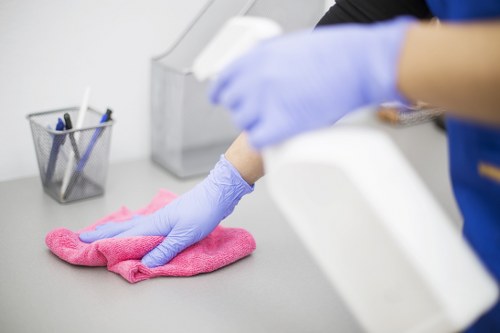
The correct personal protective equipment is essential. Gloves, eye protection, and suitable clothing should be worn when handling degreasers, scraping residue, or working with dirty components. In oven cleaning in Balham, the emphasis should always be on preventing skin contact, inhalation of fumes, and accidental splashes. Tools must be selected for the specific appliance and kept in good condition to avoid unnecessary injury.
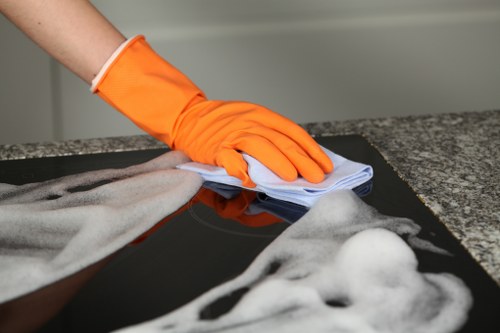 Cleaning products must be stored, mixed, and applied according to manufacturer instructions. Never combine chemicals unless the product guidance clearly permits it. Ventilation should be maintained by opening windows or using suitable airflow where possible. This helps minimise exposure to odours and fumes, especially when working in compact kitchen spaces. Staff should also be trained to recognise signs of irritation, dizziness, or other adverse reactions.
Safe working practice includes protecting the client’s property from unintended damage. Surfaces near the appliance should be covered where appropriate, and any detached parts should be handled carefully and returned correctly. Balham oven cleaning work must also be organised to reduce slip hazards from water, cleaning solution, grease, or removed debris. Floors should be kept as dry and clear as possible during and after the job.
Manual handling is another important consideration. Oven doors, racks, trays, and panels may be heavy, awkward, or greasy, making them difficult to lift securely. Staff should use correct posture, avoid overreaching, and seek assistance when a component is too large or difficult to manage alone. The goal is to reduce strain injuries while maintaining control over all equipment and parts.
Fire safety is also part of this policy. Cleaning should never interfere with active ignition sources, and all equipment must be checked to ensure it is cool before work begins. If any flammable material is present, it should be moved away from the task area. In oven cleaning services Balham, operatives must remain alert to risks associated with heat, gas, and electrical systems, particularly in older appliances.
 Waste management should be handled responsibly. Used cloths, residue, and disposable materials need to be collected and removed safely in line with environmental and hygiene expectations. Contaminated materials should not be left exposed in the property. A tidy finish is part of a safe finish, as it helps prevent slips, unpleasant odours, and accidental contact with cleaning waste.
Emergency procedures must be understood by all staff. If a chemical spill, injury, allergic reaction, or appliance fault occurs, the first priority is to stop the task and make the area safe. Appropriate first aid steps should be taken where trained and safe to do so. Oven cleaning professionals should know how to isolate hazards quickly and report incidents promptly so lessons can be learned and repeated risks reduced.
Training and supervision are fundamental to the success of this policy. Workers should receive instruction on product use, equipment care, hazard identification, and safe customer-site conduct. Periodic review is important because methods, materials, and appliance designs can change over time. By keeping standards current, oven cleaning Balham teams can provide a safer and more reliable service for every household.
 This policy should be reviewed regularly to make sure it remains effective, practical, and aligned with best practice. Any changes to equipment, cleaning methods, or safety requirements should be reflected promptly. A strong safety culture depends on attention to detail, accountability, and consistent application of the rules.
In summary, safe oven cleaning depends on preparation, correct equipment, careful chemical use, and respect for the working environment. When these principles are followed, both staff and property are better protected, and the service can be delivered with confidence and professionalism. Balham oven cleaning services should always prioritise prevention, cleanliness, and control at every stage.